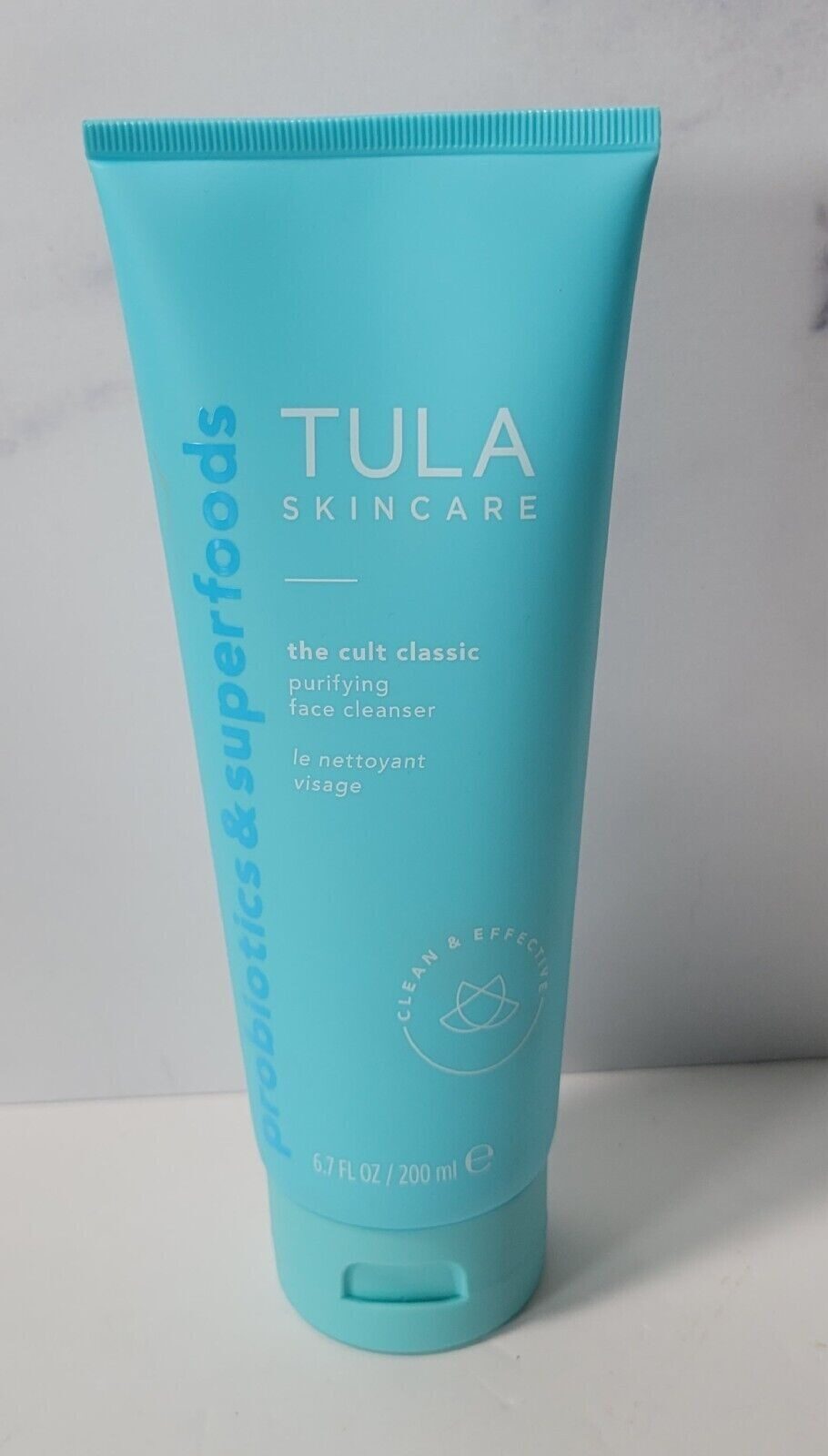
Is The Cult Classic Face Cleanser Safe? Ingredient Analysis
Tula
This page reviews The Cult Classic Face Cleanser by Tula as a skincare. Its current score is 60/100, suggesting that it looks generally acceptable but still includes some ingredients worth reviewing.
If you want the short version, start with these flagged ingredients: Disteareth 75 Ipdi, Fragrance, Alpha Isomethyl Ionone.
60 / 100
Why score is 60
The ingredient composition includes several beneficial extracts like turmeric and green tea, but also contains synthetic preservatives and fragrance, raising quality concerns.
Main concern
Contains synthetic preservatives like Phenoxyethanol and Ethylhexylglycerin, which may raise concerns about long-term skin safety.
Why it matters: This ingredient is flagged in our analysis based on regulatory and scientific sources. Check the Ingredients section for details and see Data sources for methodology.
Regulation status: Ingredient safety is assessed from EU/EPA/CIR and similar databases; formulations may vary. Always read the product label.
Pros
- Contains beneficial extracts like Curcuma Longa (turmeric) and Camellia Sinensis (green tea) which may provide antioxidant properties.
- Includes natural oils such as Camelina Sativa Seed Oil, which can help moisturize and nourish the skin.
- Hydrolyzed Rice Protein may enhance skin texture and hydration, contributing positively to the formulation.
- Glycerin is a well-known humectant that helps retain moisture in the skin.
Concerns
- Contains synthetic preservatives like Phenoxyethanol and Ethylhexylglycerin, which may raise concerns about long-term skin safety.
- Fragrance and its components, such as Linalool and Alpha-Isomethyl ionone, can cause irritation for sensitive skin types.
- Presence of Lactis Proteinum (milk protein) and Lactose may not be suitable for those with dairy allergies.
- Polyquaternium-10 is a synthetic polymer that may not align with a preference for natural ingredients.
Who should avoid this product?
You may want to be cautious with this product if you are:
- people with sensitive skin or fragrance sensitivity
- people avoiding animal-derived ingredients
Ingredients breakdown
The ingredient notes below are written to explain what each ingredient does in this skincare and why it matters.
-
Is Water safe in this skincare?
Good
Water is used here as base. Water serves as the primary solvent in this formulation, providing hydration and facilitating the delivery of other ingredients.
Role in formula: base
Original: Aqua/Water/Eau
-
Is Cocamidopropyl Betaine safe in this skincare?
Medium
Cocamidopropyl Betaine is used here as surfactant. Cocamidopropyl betaine is a mild surfactant derived from coconut oil, used for its cleansing properties but may cause irritation in sensitive individuals.
Role in formula: surfactant
Original: Cocamidopropyl Betaine
-
Is Disodium Laureth Sulfosuccinate safe in this skincare?
Medium
Disodium Laureth Sulfosuccinate is used here as surfactant. This is a mild surfactant that helps to cleanse the skin without stripping it of natural oils, though it is still a synthetic ingredient.
Role in formula: surfactant
Original: Disodium Laureth Sulfosuccinate
Read the full ingredient profile for Disodium Laureth Sulfosuccinate
-
Is Lauryl Glucoside safe in this skincare?
Good
Lauryl Glucoside is used here as surfactant. Lauryl glucoside is a gentle, plant-derived surfactant that helps to cleanse the skin while being less irritating than harsher surfactants.
Role in formula: surfactant
Original: Lauryl Glucoside
-
Is Glycerin safe in this skincare?
Good
Glycerin is used here as humectant. Glycerin is a well-known humectant that attracts moisture to the skin, enhancing hydration and skin softness.
Role in formula: humectant
Original: Glycerin
-
Is Sodium Lauryl Sulfoacetate safe in this skincare?
Medium
Sodium Lauryl Sulfoacetate is used here as surfactant. Sodium lauryl sulfoacetate is a mild surfactant that provides cleansing without harshness, though it is still a synthetic ingredient.
Role in formula: surfactant
Original: Sodium Lauryl Sulfoacetate
Read the full ingredient profile for Sodium Lauryl Sulfoacetate
-
Is Bifida Ferment Lysate safe in this skincare?
Good
Bifida Ferment Lysate is used here as natural_extract. Bifida ferment lysate is a probiotic ingredient that may help to strengthen the skin barrier and improve skin health.
Role in formula: natural_extract
Original: Bifida Ferment Lysate
-
Is Hydrolyzed Rice Protein safe in this skincare?
Good
Hydrolyzed Rice Protein is used here as natural_extract. Hydrolyzed rice protein can enhance skin hydration and texture, providing a conditioning effect.
Role in formula: natural_extract
Original: Hydrolyzed Rice Protein
Read the full ingredient profile for Hydrolyzed Rice Protein
-
Is Curcuma Longa Root Extract safe in this skincare?
Good
Curcuma Longa Root Extract is used here as natural_extract. Curcuma longa (turmeric) root extract is known for its anti-inflammatory properties, potentially benefiting skin health.
Role in formula: natural_extract
Original: Curcuma Longa (Turmeric) Root Extract
-
Is Camellia Sinensis Leaf Extract safe in this skincare?
Good
Camellia Sinensis Leaf Extract is used here as natural_extract. Camellia sinensis (green tea) leaf extract is rich in antioxidants, which may help protect the skin from environmental stressors.
Role in formula: natural_extract
Original: Camellia Sinensis (Green Tea) Leaf Extract
Read the full ingredient profile for Camellia Sinensis Leaf Extract
-
Is Vaccinium Angustifolium Fruit Extract safe in this skincare?
Good
Vaccinium Angustifolium Fruit Extract is used here as natural_extract. Vaccinium angustifolium (blueberry) fruit extract is rich in antioxidants, contributing to skin protection and health.
Role in formula: natural_extract
Original: Vaccinium Angustifolium (Blueberry) Fruit Extract
-
Is Cichorium Intybus Root Extract safe in this skincare?
Good
Cichorium Intybus Root Extract is used here as natural_extract. Cichorium intybus (chicory) root extract may provide skin conditioning benefits and enhance the overall formulation.
Role in formula: natural_extract
Original: Cichorium Intybus (Chicory) Root Extract
-
Is Camelina Sativa Seed Oil safe in this skincare?
Good
Camelina Sativa Seed Oil is used here as natural_extract. Camelina sativa seed oil is rich in fatty acids, providing moisturizing properties and enhancing skin barrier function.
Role in formula: natural_extract
Original: Camelina Sativa Seed Oil
-
Is Lactose safe in this skincare?
Medium
Lactose is used here as natural_extract. Lactose is a sugar derived from milk, which may provide moisturizing benefits but can be problematic for those with dairy allergies.
Role in formula: natural_extract
Original: Lactose
-
Is Milk Protein safe in this skincare?
Medium
Milk Protein is used here as natural_extract. Milk protein can provide moisturizing and conditioning benefits, but may not be suitable for individuals with dairy sensitivities.
Role in formula: natural_extract
Original: Lactis Proteinum/Milk Protein/Protéine du lait
-
Is Yogurt Powder safe in this skincare?
Medium
Yogurt Powder is used here as natural_extract. Yogurt powder may offer moisturizing properties, but its dairy content could be a concern for those with allergies.
Role in formula: natural_extract
Original: Yogurt Powder
-
Is Vegetable Oil safe in this skincare?
Good
Vegetable Oil is used here as base. Vegetable oil serves as an emollient, helping to soften and smooth the skin while providing hydration.
Role in formula: base
Original: Olus Oil/Vegetable Oil/Huile végétale
-
Is Tocopheryl Acetate safe in this skincare?
Good
Tocopheryl Acetate is used here as antioxidant. Tocopheryl acetate is a form of vitamin E that acts as an antioxidant, helping to protect the skin from oxidative stress.
Role in formula: antioxidant
Original: Tocopheryl Acetate
-
Is Ascorbyl Palmitate safe in this skincare?
Good
Ascorbyl Palmitate is used here as antioxidant. Ascorbyl palmitate is a stable form of vitamin C that provides antioxidant benefits, contributing to skin health.
Role in formula: antioxidant
Original: Ascorbyl Palmitate
-
Is Panthenol safe in this skincare?
Good
Panthenol is used here as humectant. Panthenol is a humectant that helps to retain moisture in the skin, enhancing hydration and softness.
Role in formula: humectant
Original: Panthenol
-
Is Carthamus Tinctorius Seed Oil safe in this skincare?
Good
Carthamus Tinctorius Seed Oil is used here as natural_extract. Carthamus tinctorius (safflower) seed oil is rich in fatty acids, providing moisturizing properties and supporting skin barrier function.
Role in formula: natural_extract
Original: Carthamus Tinctorius (Safflower) Seed Oil
Read the full ingredient profile for Carthamus Tinctorius Seed Oil
-
Is Polyquaternium 10 safe in this skincare?
Medium
Polyquaternium 10 is used here as conditioning_agent. Polyquaternium-10 is a synthetic polymer that provides conditioning benefits but may not align with preferences for natural ingredients.
Role in formula: conditioning_agent
Original: Polyquaternium-10
-
Is Butylene Glycol safe in this skincare?
Medium
Butylene Glycol is used here as solvent. Butylene glycol is a synthetic solvent that helps to dissolve other ingredients, though it may raise concerns for some consumers.
Role in formula: solvent
Original: Butylene Glycol
-
Is Glycereth 7 Caprylate Caprate safe in this skincare?
Medium
Glycereth 7 Caprylate Caprate is used here as emulsifier. Glycereth-7 caprylate/caprate is an emulsifier that helps to stabilize the formulation but is a synthetic ingredient.
Role in formula: emulsifier
Original: Glycereth-7 Caprylate/Caprate
-
Is Inulin safe in this skincare?
Good
Inulin is used here as natural_extract. Inulin is a prebiotic that may help to support skin health and hydration, contributing positively to the formulation.
Role in formula: natural_extract
Original: Inulin
-
Is Pentylene Glycol safe in this skincare?
Medium
Pentylene Glycol is used here as solvent. Pentylene glycol is a synthetic solvent that aids in ingredient solubility but may not be preferred by all consumers.
Role in formula: solvent
Original: Pentylene Glycol
-
Is Caprylyl Glycol safe in this skincare?
Medium
Caprylyl Glycol is used here as emulsifier. Caprylyl glycol is a synthetic emulsifier that helps to stabilize the formulation but may raise concerns for some users.
Role in formula: emulsifier
Original: Caprylyl Glycol
-
Is Bulnesia Sarmientoi Wood Oil safe in this skincare?
Medium
Bulnesia Sarmientoi Wood Oil is used here as natural_extract. Bulnesia sarmientoi wood oil is used for its fragrance properties but may cause irritation for sensitive skin types.
Role in formula: natural_extract
Original: Bulnesia Sarmientoi Wood Oil
-
Is Citrus Limon Fruit Oil safe in this skincare?
Medium
Citrus Limon Fruit Oil is used here as fragrance. Citrus limon (lemon) fruit oil is used for its fragrance but can be irritating for sensitive skin and may cause photosensitivity.
Role in formula: fragrance
Original: Citrus Limon (Lemon) Fruit Oil
-
Is Citrus Aurantium Dulcis Oil safe in this skincare?
Medium
Citrus Aurantium Dulcis Oil is used here as fragrance. Citrus aurantium dulcis (orange) oil is included for fragrance but may cause irritation or allergic reactions in some individuals.
Role in formula: fragrance
Original: Citrus Aurantium Dulcis (Orange) Oil
-
Is Juniperus Mexicana Oil safe in this skincare?
Medium
Juniperus Mexicana Oil is used here as fragrance. Juniperus mexicana oil is used for its fragrance properties but may cause irritation for sensitive skin types.
Role in formula: fragrance
Original: Juniperus Mexicana Oil
-
Is Cananga Odorata Flower Oil safe in this skincare?
Medium
Cananga Odorata Flower Oil is used here as fragrance. Cananga odorata flower oil is included for its fragrance but may cause irritation or allergic reactions in some individuals.
Role in formula: fragrance
Original: Cananga Odorata Flower Oil
Read the full ingredient profile for Cananga Odorata Flower Oil
-
Is Citric Acid safe in this skincare?
Good
Citric Acid is used here as acidulant. Citric acid is used to adjust the pH of the formulation, ensuring stability and enhancing the effectiveness of other ingredients.
Role in formula: acidulant
Original: Citric Acid
-
Is Sorbic Acid safe in this skincare?
Medium
Sorbic Acid is used here as preservative. Sorbic acid is a mild preservative that helps to prevent microbial growth, though it is a synthetic ingredient.
Role in formula: preservative
Original: Sorbic Acid
-
Is Ethylhexylglycerin safe in this skincare?
Medium
Ethylhexylglycerin is used here as preservative. Ethylhexylglycerin is a synthetic preservative that helps to enhance the product's shelf life but may raise concerns for some consumers.
Role in formula: preservative
Original: Ethylhexylglycerin
-
Is Disteareth 75 Ipdi safe in this skincare?
Bad
Disteareth 75 Ipdi is used here as emulsifier. Disteareth-75 IPDI is a synthetic emulsifier that may raise concerns due to its potential irritant properties.
Role in formula: emulsifier
Original: Disteareth-75 IPDI
-
Is Fragrance safe in this skincare?
Bad
Fragrance is used here as fragrance. Fragrance is a common irritant and can cause allergic reactions, particularly in sensitive individuals, raising safety concerns.
Role in formula: fragrance
Original: Fragrance (Parfum)
-
Is Phenethyl Alcohol safe in this skincare?
Medium
Phenethyl Alcohol is used here as preservative. Phenethyl alcohol is a synthetic preservative that helps to prevent microbial growth but may cause irritation for some users.
Role in formula: preservative
Original: Phenethyl Alcohol
-
Is Alpha Isomethyl Ionone safe in this skincare?
Bad
Alpha Isomethyl Ionone is used here as fragrance. Alpha-isomethyl ionone is a synthetic fragrance component that can cause allergic reactions and irritation in sensitive individuals.
Role in formula: fragrance
Original: Alpha-Isomethyl ionone
-
Is Butylphenyl Methylpropional safe in this skincare?
Bad
Butylphenyl Methylpropional is used here as fragrance. Butylphenyl methylpropional is a synthetic fragrance that may cause skin irritation and allergic reactions, raising safety concerns.
Role in formula: fragrance
Original: Butylphenyl Methylpropional
Read the full ingredient profile for Butylphenyl Methylpropional
-
Is Linalool safe in this skincare?
Bad
Linalool is used here as fragrance. Linalool is a fragrance component that can cause irritation and allergic reactions, particularly in sensitive skin types.
Role in formula: fragrance
Original: Linalool
-
Is Phenoxyethanol safe in this skincare?
Medium
Phenoxyethanol is used here as preservative. Phenoxyethanol is a synthetic preservative that helps to extend shelf life but may cause irritation for some individuals.
Role in formula: preservative
Original: Phenoxyethanol
How we score
Our safety scores and ingredient breakdowns are based on regulatory and scientific sources. See Data sources & methodology and How Zerotox works for full details.
Product info
Product ID: 3465753
More from this brand: Tula products in Zerotox
Similar products: skincare in Zerotox database
Allergens detected: milk
Report / complain: You may report errors or complain about this product or its formulation to hello [at] zeroto.app . Published for transparency.